CAFFEINE
Studied for acute alertness and attention.

THE FORMULA, EXPLAINED.
what’s in each tin, why it’s there, and what the research actually says.
THE FORMAT
STASH uses individually wrapped dissolvable oral strips designed to sit on your tongue and dissolve without water or a bulky bottle. The strip is the format; ingredient-level research helps explain why an ingredient is included, but it does not prove the finished STASH formula produces a specific outcome.
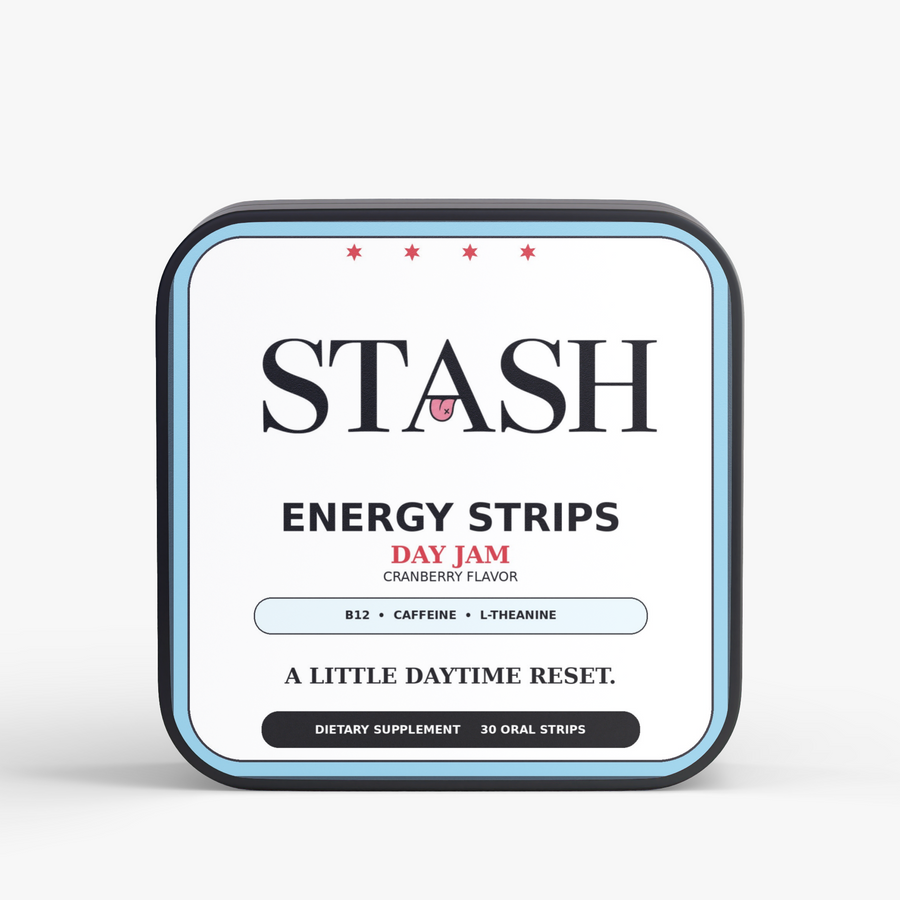
DAY JAM / ENERGY
Cranberry energy strips built around a measured caffeine dose with L-theanine and vitamin B12 alongside it.
Studied for acute alertness and attention.
A tea-derived amino acid studied alongside caffeine.
Supports normal nutritional and nervous-system functions.
THE LIMIT: contains caffeine. ingredient research does not prove the finished formula treats ADHD or replaces medication.
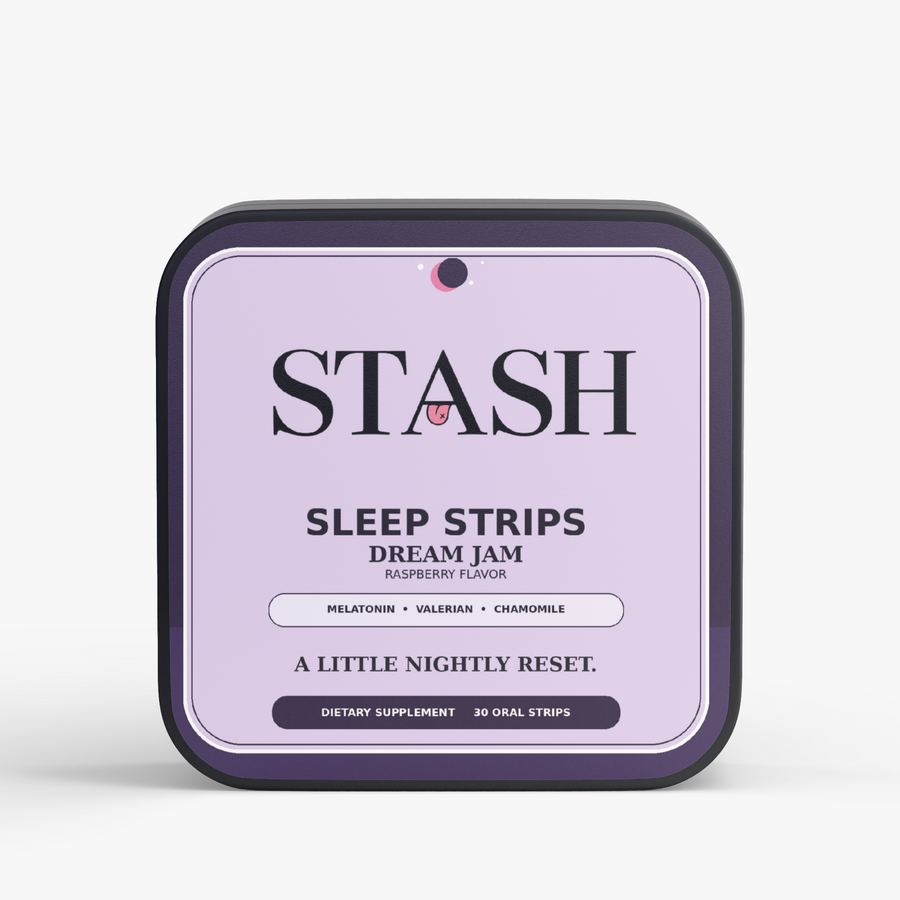
DREAM JAM / SLEEP
A raspberry bedtime strip with melatonin and botanical extracts for a portable nightly wind-down routine.
A hormone involved in sleep timing and circadian rhythm.
Common bedtime botanicals with limited or mixed clinical evidence.
Included as part of the finished formula without standalone efficacy claims.
THE LIMIT: may cause drowsiness. follow the finished label and do not drive after use.
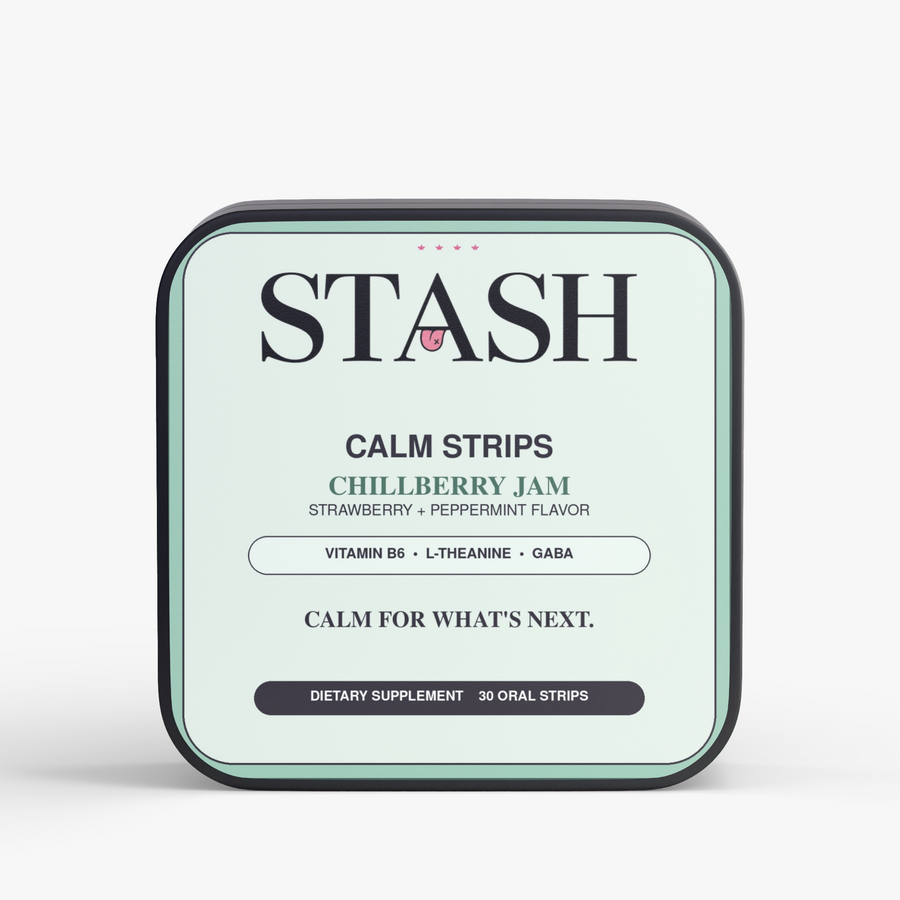
CHILLBERRY JAM / CHILL
Strawberry-peppermint strips with L-theanine, GABA and vitamin B6 for everyday calm and cognitive wellness support.
An amino acid found in tea and studied in the context of relaxation and attention.
A naturally occurring signaling compound used in wellness supplements.
Supports normal nervous-system and energy-metabolism functions.
THE LIMIT: not an anxiety treatment, sedative or replacement for prescribed care.
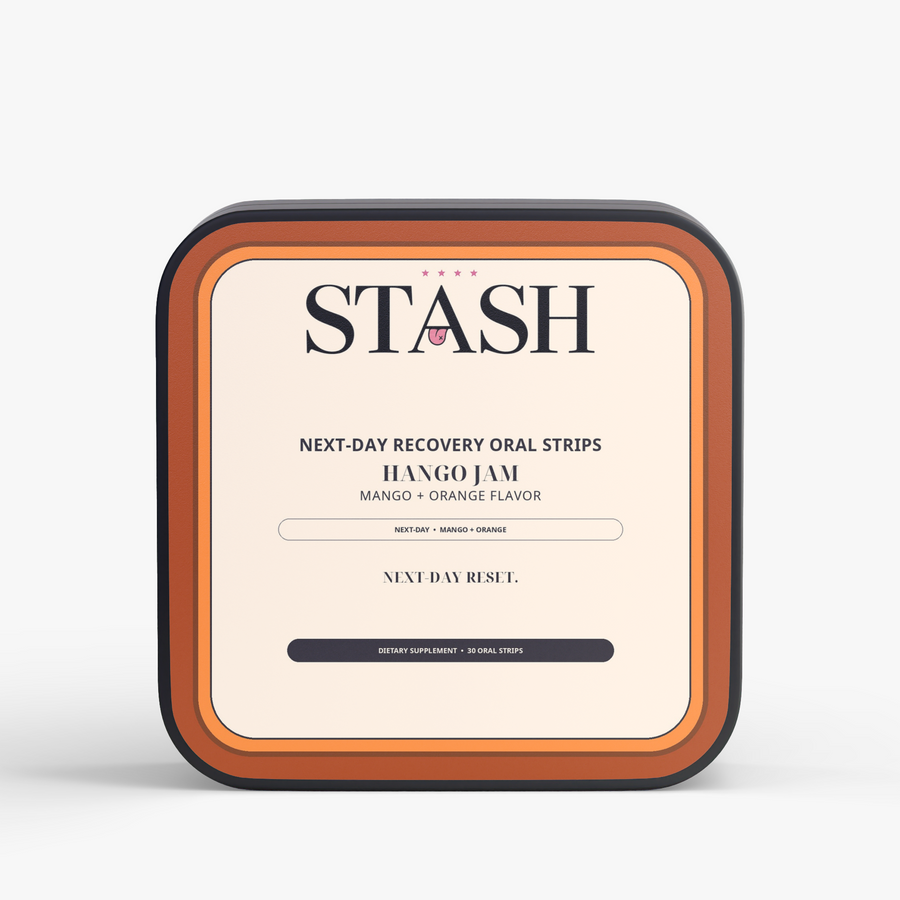
HANGO JAM / RECOVERY
A mango-orange botanical strip built for general wellness after social occasions.
Botanical ingredients with long histories of traditional use.
Included based on traditional formula rationale and ingredient-level research.
Botanical extracts that round out the finished formula.
THE LIMIT: this does not prevent or cure hangovers, alcohol poisoning or dehydration, and it is not permission to drink more.
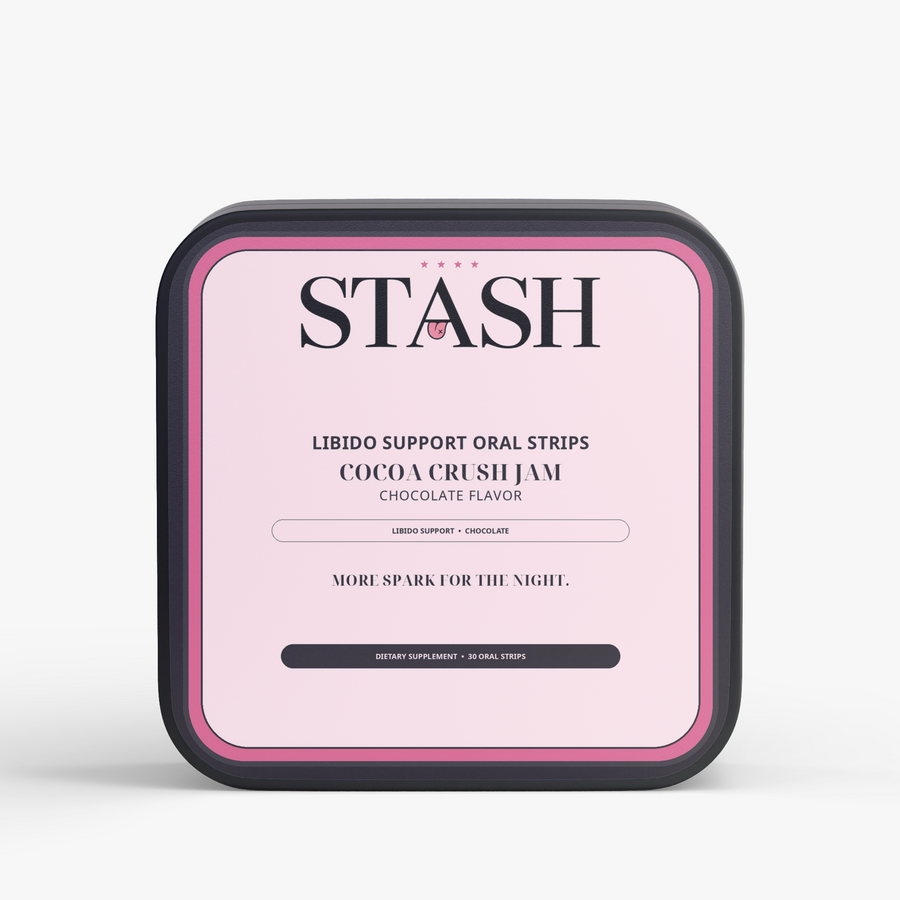
COCOA CRUSH JAM / VITALITY
Chocolate strips with ingredients selected around everyday vitality and sexual wellness support.
Used in wellness products around vitality and physical wellness.
A mineral-rich traditional ingredient used in general wellness formulas.
Provides naturally occurring amino-acid material as part of the formula.
THE LIMIT / 18+: not clinically tested as a finished formula and not intended to treat sexual dysfunction or guarantee a specific outcome.
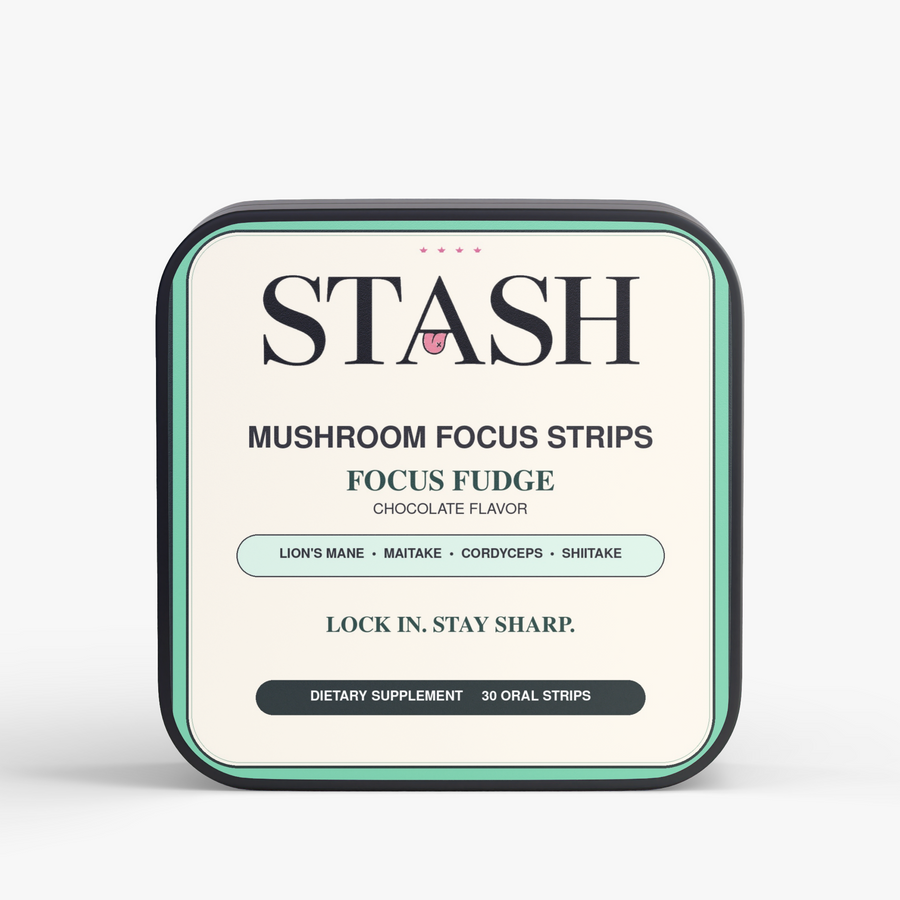
FOCUS FUDGE / FOCUS
Chocolate strips made with four mushroom extracts selected for a focus-and-wellness formula.
A mushroom used in wellness products centered on cognition and mental clarity.
Mushroom extracts included as part of the finished blend.
A culinary mushroom extract included in the daily wellness formula.
THE LIMIT: ingredient-level research does not prove this finished strip improves focus, cognition or mental performance.

HAPPY BELLY JAM / GUT
Mixed berry strips with Bacillus coagulans plus a digestive enzyme blend.
A probiotic organism used in digestive-wellness products.
Protease, papain and bromelain make up the labeled digestive enzyme blend.
A pre-measured, pocket-ready format that does not require water.
THE LIMIT: not clinically tested as a finished formula and not intended to diagnose, treat or cure digestive conditions.
HOW WE READ THE RESEARCH.
A study on an ingredient helps explain why it may be in a formula. It does not automatically prove the finished STASH product produces the same result.
The directions, warnings, and ingredient amounts on the product you actually receive are the source of truth.
No fake absorption claims. No pretending a traditional-use ingredient is a finished-product clinical trial.
WANT THE NERDY VERSION?
Caffeine has evidence for acute effects on alertness and attention. DAY JAM contains 50 mg caffeine. L-theanine has been studied with caffeine, but cited trials can use different doses and should not be treated as proof of the finished formula.
50 mg caffeine trial · caffeine + L-theanine trial · NIH vitamin B12 · FDA caffeine guidance
Melatonin is involved in sleep timing. Evidence varies by use case. Evidence for valerian, chamomile and lavender is more limited or mixed.
NCCIH melatonin · NCCIH sleep · NCCIH chamomile · NCCIH lavender
These STASH formulas are presented with their ingredient lists and formula rationale, not as clinically proven finished products. Traditional use, supplier information and ingredient-level research are not interchangeable with a controlled trial of the exact strip.
Follow each finished product label. Adults 18+. Do not exceed the recommended dose. If pregnant, nursing, taking medication or managing a medical condition, consult a qualified healthcare professional before use. Keep out of reach of children.
*These statements have not been evaluated by the Food and Drug Administration. These products are not intended to diagnose, treat, cure or prevent any disease.